Three Songs and Out: The Micro-Concert Is Eating Your Friday Night
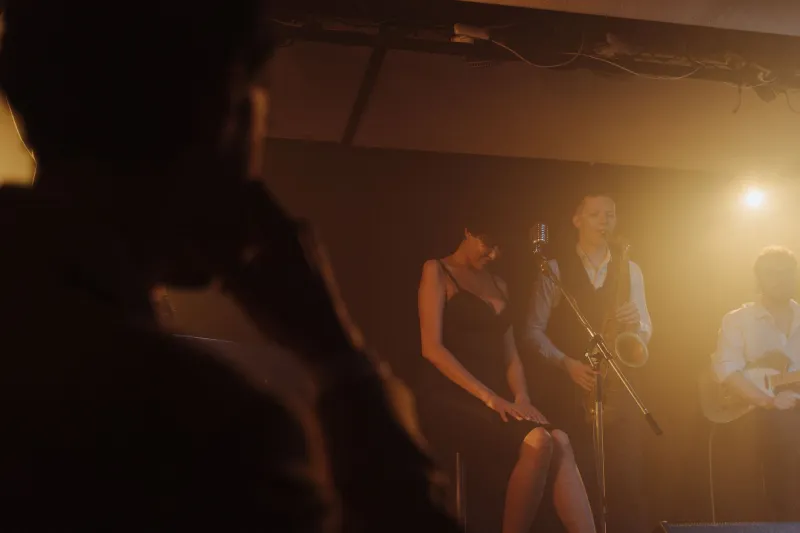
At 8:47 p.m. on a Thursday, the line outside a record store in Brooklyn looks like a line for a bakery, not a show. By 9:05, the band has played three songs, thanked the crowd, and started packing up. By 9:20, the room is half-empty and everyone is already texting friends about the next one. Welcome to the micro-concert, the live-music format that has somehow made Friday night feel both shorter and more urgent in 2026.
The pitch is simple: no opener, no encore, no 45-minute soundcheck drama. You get 15 to 20 minutes of live music, often in a space that was never designed for it—a coffee shop, a bookstore, a rooftop, a record-store aisle. Tickets usually land between $10 and $20. The whole thing is over before your parking meter expires.
The 20-Minute Rule
Micro-concerts are not just short sets. They are a different social contract. The artist plays a tight cluster of songs, often new material or a stripped-down version of the usual catalog. There is no “we'll be right back.” There is no waiting through a friend's band's friend's band. You arrive, you listen, you leave, and you still have time for dinner.
For fans, that low commitment is the selling point. A $15 ticket feels like an easy yes. A 20-minute set feels like a snack, not a meal. And because the show is short, it can happen in places that would never survive a traditional concert: a vinyl shop with 60 capacity, a coffee bar after hours, a rooftop with a view and a noise permit that expires at 10 p.m.
Why Promoters Are Obsessed
Promoters like micro-concerts for the same reason fans do: the math works. Low overhead means lower risk. There is no massive production, no long load-in, no sprawling barricade. A small PA, a couple of lights, and a mailing list can turn a dead Tuesday into an event.
The format also lets venues fill odd hours. A record store can host a set at 7 p.m. and still close by 9. A coffee shop can sell drinks and pastries instead of just drip coffee. A rooftop bar can pack a crowd before the late-night rush. Promoters get to test new artists, build email lists, and sell merch without betting the month on one big headliner.
That does not mean everyone wins. Artists often make less per gig than they would at a full show, so the model depends on volume—more dates, more quick hits, more chances to be seen. Sound quality can be unpredictable. And ticketing can get messy when 80 people are trying to reserve 60 spots through a link in a story.
Still, the format is spreading because it solves a very 2026 problem: people want to go out, but they do not want to surrender the whole night.
The Psychology of the Quick Hit
There is a reason a 20-minute show can feel more memorable than a two-hour one. Short-form live entertainment trades immersion for intensity. You pay attention because you know it will end soon. There is no mid-set drift, no checking your phone, no wondering whether you can slip out before the encore.
Call it the highlight-reel effect. A micro-concert gives you the thrill of live music without the endurance test. It is the same instinct that made short videos, mini-golf, and 90-minute movies feel normal. We are not less interested in culture. We are just more protective of our time.
There is also a social bonus. Because the show is short, you can stack two in one night. A record-store set at 7, a coffee-shop set at 8:30, a rooftop set at 10. It is a bar crawl for live music, minus the cover charges that make you hesitate.
City-by-City: Where Micro-Shows Are Popping
- Austin, Texas: Record stores and coffee shops near the East Side are booking three-song sets before dinner, often with a local opener and a strict 20-minute cutoff.
- Brooklyn, New York: Rooftops and vinyl bars are leaning into tiny ticketed sets with a one-drink minimum and a hard out before the neighbors complain.
- Nashville, Tennessee: Songwriter rounds are getting shorter and more curated, with writers testing new material in 15-minute bursts.
- Portland, Oregon: Bookstores and plant shops are hosting acoustic sets where the merch table is literally a folding table by the door.
- Chicago, Illinois: Neighborhood bars are using micro-concerts to fill the 7-to-9 p.m. gap before the late crowd arrives.
- Los Angeles, California: Gallery spaces and clothing stores are turning into pop-up venues with RSVP lists and 45-minute total run times.
- Denver, Colorado: Breweries are booking quick sets on patios, betting that a short show sells more pints than a long one.
- Philadelphia, Pennsylvania: DIY spaces are using the format to give newer bands a low-stakes first set.
- Seattle, Washington: Coffee shops and bookshops are leaning into early-evening sets that end before the last bus.
- Atlanta, Georgia: Small galleries and barbershops are experimenting with 20-minute live sets as a way to draw foot traffic.
The Catch
Micro-concerts are not a replacement for full shows. They are a different product: a quick hit of live energy, a low-stakes night out, a way to see a band without rearranging your whole week. The risk is that the format becomes too transactional—more content, less connection. But for now, the appeal is obvious.
In 2026, the hottest ticket might not be a ticket at all. It might be a 15-minute window, a folding chair, and a band that knows exactly when to stop.