Buttons, VHS, and Grocery Lists: The Storefront Museums Stealing Date Night
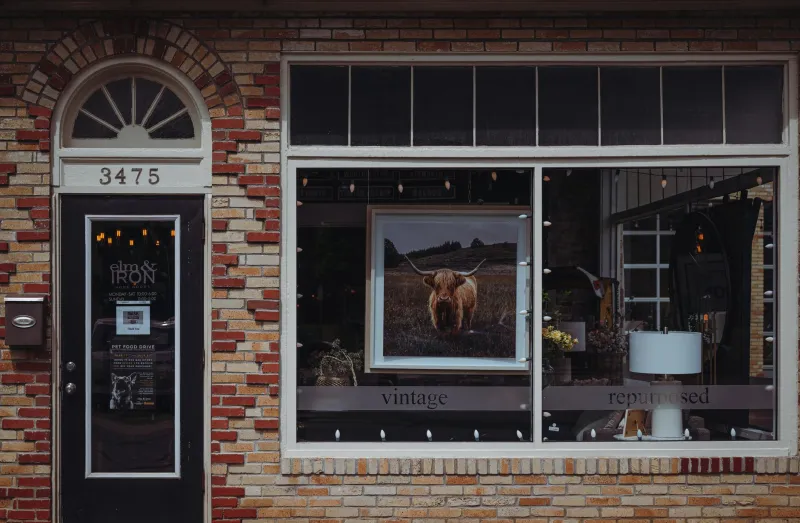
It is 6:47 on a Friday, and you have a dinner reservation at 7:30. That leaves roughly forty minutes to kill. You could stand in line for a $17 cocktail, or you could wander into a former phone-repair shop with a hand-painted sign that reads The Button Archive. Admission is free. The whole place is roughly the size of a generous walk-in closet. You will be in and out in twelve minutes, and you will talk about it for the rest of the night.
That is the promise of the micro-museum, a small but growing fixture of American nightlife in 2026. Across cities like Portland, Cleveland, Tucson, Philadelphia, and plenty of places in between, vacant storefronts are being converted into bite-sized cultural stops. The collections are not encyclopedic. They are gloriously specific: vintage buttons sorted by decade, local VHS oddities salvaged from garage sales, handwritten grocery lists, old hotel keys, matchbooks from restaurants that closed before you were born. The subjects are strange. The hours are limited. The vibe is extremely casual.
And that is exactly why they are becoming one of the best free date nights in town.
The Case for a Museum You Can Finish Before the Appetizers
Dinner and a movie is a classic for a reason, but it is also a commitment. A movie asks for two hours of silence. A nice dinner asks for a reservation, a babysitter, and a small act of financial bravery. The micro-museum asks for almost nothing. You can walk in, look at a wall of mismatched buttons, read a few handwritten labels, sign the guestbook, and leave. No audio guide. No gift shop. No pressure to extract meaning from every exhibit.
That low barrier is the appeal. On a date, the best moments are often the unplanned ones. A tiny museum gives you a shared detour, a conversation starter, and a small story you can tell later. It is not the main event. It is the weird little appetizer before the main event. And in 2026, when going out can feel either wildly expensive or aggressively optimized, a free, slightly odd, twelve-minute experience feels like a small luxury.
The math helps, too. You can spend $60 on cocktails and still have a forgettable night. You can spend zero dollars at a storefront museum and come home with a new fact about Depression-era buttons. The micro-museum does not need to be impressive for eight hours. It only needs to be interesting for ten minutes.
The Collection Is Wonderfully Narrow
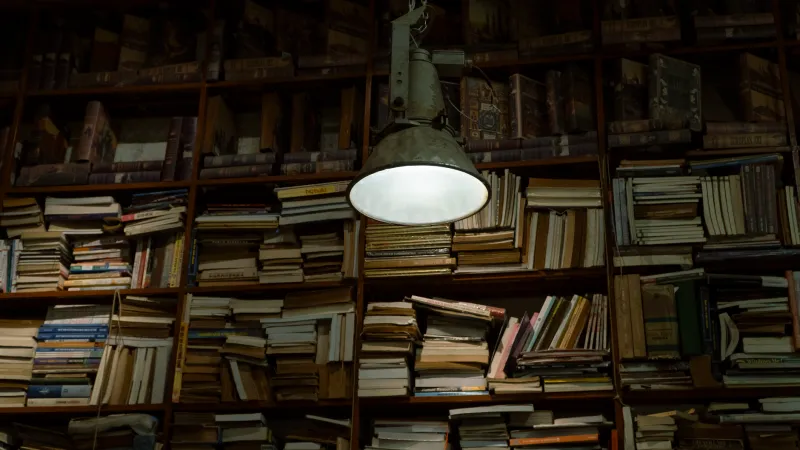
What makes these places work is not scale. It is obsession. The best micro-museums feel like someone cleaned out their brain and arranged it on shelves. A wall of local VHS tapes might include a 1989 commercial for a car dealership, a high school football highlight reel, and a instructional video about lawn care. A grocery-list exhibit might display a receipt from 1974 next to a stranger’s careful handwriting and a coupon for instant coffee. These are not artifacts of presidents or wars. They are artifacts of ordinary life, which is why they are so hard to look away from.
Curation matters more than square footage. The labels are often handwritten. The lighting is sometimes a little too bright. There may be a single folding chair and a guestbook with three pages filled. That homespun quality is part of the charm. Big museums tell you what to think about history. Tiny museums let you make the connections yourself. The narrower the subject, the wider the conversation.
It also helps that the exhibits are easy to swap. A storefront can host a button show in March and a collection of vintage grocery lists in April. That rotation keeps locals coming back and gives the whole thing a scavenger-hunt energy. You never quite know what will be behind the glass next month.
Storefronts, Short Leases, and a Little Civic Magic
The micro-museum boom is not just about taste. It is also about real estate. Many downtowns and neighborhood retail strips still have vacant storefronts, and landlords are often willing to offer short-term leases or pop-up arrangements to arts groups, business improvement districts, and passionate hobbyists. A tiny museum can fill a empty window, draw foot traffic, and make a block feel alive without requiring a permanent museum budget.
That makes the format unusually practical. There is no climate-controlled wing, no massive staff, no sprawling parking garage. There may be a volunteer docent, a donation jar, and a QR code that links to a longer explanation. Some micro-museums are run by historical societies. Others are passion projects from collectors who simply ran out of shelf space at home. A few are attached to coffee shops or record stores, which means you can pair your culture with a latte or a used LP.
None of this replaces the big institutions. A city still needs its art museum and its science center. The micro-museum is closer to a cultural snack. It is a way to make a night out feel a little more textured without turning it into a full-day excursion. That is a useful thing in any economy, but it feels especially welcome in 2026, when everyone seems to be looking for ways to go out without going broke.
Your New Date-Night Blueprint
The ideal micro-museum date is not heavily planned. Start with something cheap and easy — tacos, dumplings, a slice of pizza, a coffee. Then walk to the tiny exhibit. Give yourselves fifteen to twenty minutes inside. Read the labels. Pick your favorite object. Ask your date which item they would hypothetically rescue from a fire. Sign the guestbook with something mildly unhinged but polite. Then move on to a nearby bar, record shop, or dessert spot.
A few etiquette notes: check the hours on social media before you go, because these places often run on volunteer time. Do not touch the exhibits unless a sign says you can. Bring a few dollars for the donation jar even if admission is free. And do not treat the place like a babysitter or a place to take a phone call. It is small, quiet, and often run by someone who really loves buttons. Respect the button person.
What the Tiny Exhibits Say About 2026
The micro-museum trend says something simple about what people want right now: short, strange, free experiences that feel local and a little bit accidental. We are not short on content. We are short on surprise. A storefront full of handwritten grocery lists is not algorithmically optimized. It does not care about your watch history. It is just there, behind a window, waiting for someone to walk in and wonder why anyone saved a receipt from 1981.
That is the real draw. A tiny museum is a small act of curiosity in a city that often asks you to pay for every moment. It turns an empty storefront into a conversation. It turns a spare forty minutes into a story. And it turns date night into something better than a reservation: a little detour you did not see coming.
So next time you are early for dinner and pass a window full of old VHS tapes, go in. Bring a few dollars for the jar. Leave your expectations at the door. The best free date night in 2026 might be the one that only takes twelve minutes.