Frame the Chaos: The Living-Room Archive Made of Receipts and Stubs
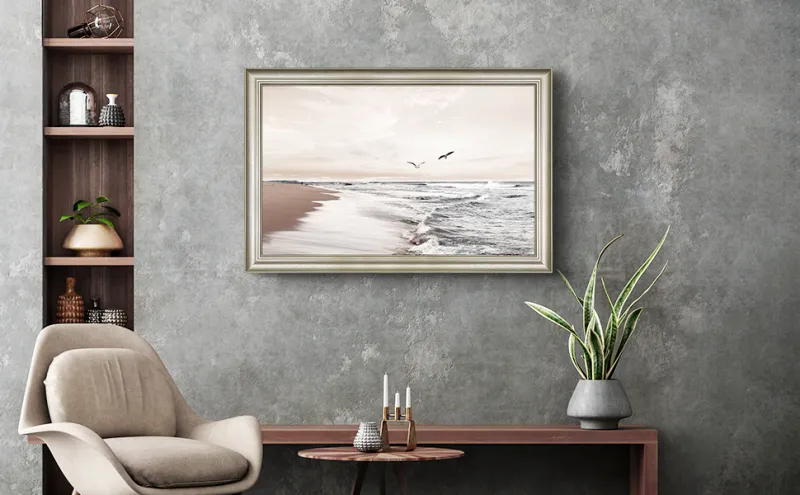
Photo: framed concert tickets and paper receipts gallery wall home decor, via m.media-amazon.com
There’s a particular kind of paper that never makes it into a scrapbook. It’s the crumpled receipt from a late-night diner run, the concert stub with a bent corner, the boarding pass you shoved into your jacket pocket and forgot about until laundry day. For years, that stuff lived in shoe boxes, junk drawers, or the bottom of a tote bag. In 2026, it’s increasingly ending up in frames.
Call it the living-room archive: a loose, deeply personal gallery wall made of everyday ephemera. Not polished photos. Not curated art prints ordered during a sale. Actual paper trails from actual life—the kind with coffee rings, creases, and a date printed in faded thermal ink.
From Junk Drawer to Gallery Wall
The trend is showing up in casual corners of the internet and, more importantly, in real apartments. People are framing takeout receipts from the first night in a new city, ticket stubs from a comedy show that turned into a three-hour conversation, handwritten grocery lists from a partner who still writes “snacks” in all caps, and boarding passes from trips that felt bigger than they looked on paper.
The setups aren’t precious. A receipt might sit in a simple thrift-store frame. A cluster of stubs could be taped to a painted board. One popular approach is a shadow box filled with a single weekend’s worth of paper—a museum label, a parking stub, a coffee receipt—arranged like evidence of a very good time.
What makes it work is the imperfection. A crisp poster says someone decorated. A framed receipt says someone lived. The crease in the paper is part of the story. The faded ink is part of the story. Even the slightly embarrassing total at the bottom of a grocery receipt is part of the story.
The Anti-Polish Mood
This isn’t happening in a vacuum. The past few years have pushed a lot of people toward decor that feels less staged. Digital fatigue is part of it. When so much of daily life arrives as a notification or a camera roll, physical paper has a strange emotional weight. It’s slow. It’s disposable by design. Keeping it anyway feels like a small act of defiance.
There’s also a practical appeal. Framing ephemera is affordable. A basic frame can cost less than a sandwich. The “art” is already in your bag. For renters who can’t paint walls or commit to big furniture, a small gallery of paper is a low-stakes way to make a space feel personal. It’s decorating without the pressure of a cohesive aesthetic.
And unlike a perfectly styled shelf, a paper archive can grow. One frame becomes three. Three become a narrow wall above a desk. The collection doesn’t need to match. It just needs to mean something.
What People Are Actually Keeping
A quick survey of the genre turns up the usual suspects: concert tickets, movie stubs, museum admission slips, restaurant receipts, train tickets, and hotel key-card sleeves. But the more interesting entries are the quieter ones. A receipt for a bag of ice on moving day. A parking garage stub from the afternoon someone finally said yes to a second date. A handwritten list that reads “milk, batteries, call Mom.”
Those items don’t look like keepsakes in the moment. That’s exactly why they work later. They’re not trying to be nostalgic. They become nostalgic by accident.
Some people are taking the idea further by pairing paper with a single line of context. A tiny label under a receipt might read “the night the radiator broke.” A boarding pass might get a note: “window seat, no plan.” The labels aren’t necessary, but they turn a frame into a tiny story. They also make the wall a conversation starter without requiring anyone to perform a big emotional monologue.
A Starter Archive for the Non-Crafter
You don’t need a laminator, a Cricut, or a system. Start with a shoebox or a folder. When something feels like a marker of a day—even a small, ordinary day—drop it in. Don’t overthink it. The point is not to archive everything. The point is to notice what you’re already keeping.
When you have a handful of pieces, pick up a few inexpensive frames. Thrift stores and discount stores are full of them. Mix sizes. Don’t worry about matching wood tones. Use acid-free backing if you want to be careful, but a simple frame and a bit of tape will do for most casual displays.
Group pieces by era, by mood, or by nothing at all. A cluster of receipts from one trip can look intentional. A single stub in a big frame can look like a statement. The only real rule is to avoid treating the paper like a precious object. It survived your bag. It can survive your wall.
The Story You Keep by Accident
The appeal of the living-room archive isn’t that it’s beautiful in a traditional sense. It’s that it’s specific. A framed print says someone likes a certain style. A framed receipt says someone was there. It says the night mattered enough to keep the proof.
In a culture that encourages us to document everything and then bury it in a camera roll, there’s something quietly satisfying about a wall that doesn’t scroll. It just hangs there—creased, faded, and stubbornly real. The paper trail is the point.