Two Stars and a Selfie: The Roadside Stops Travelers Are Planning Around Now
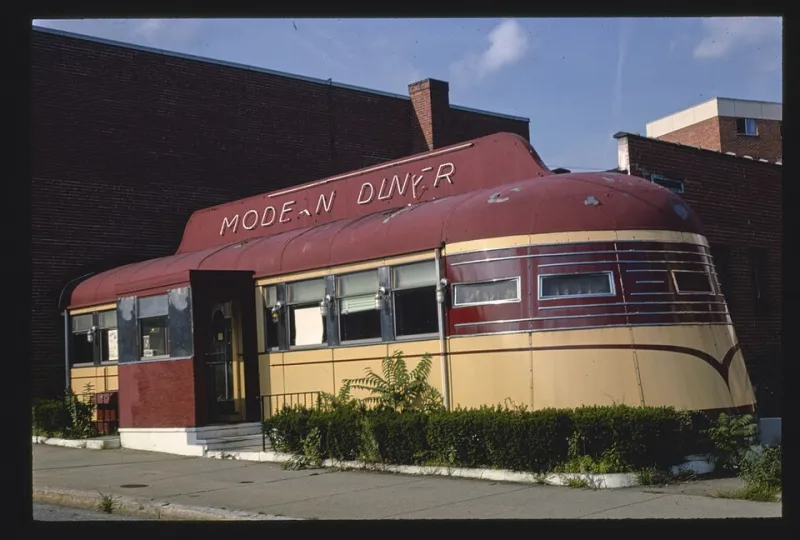
Photo: John Margolies, Public domain, via Wikimedia Commons
There was a time when a road trip spreadsheet was a monument to optimism: four-and-a-half-star diners, scenic overlooks, a motel with decent pillows. In 2026, a different kind of traveler is opening the map and looking for the opposite. They want the 2.1-star roadside diner. The wax museum with figures that seem to be melting from the inside. The attraction that someone once reviewed with the words “we left confused, but we talk about it constantly.”
This is the low-star pilgrimage, and it is quietly becoming one of the year’s more entertaining travel habits. Not because people are trying to punish themselves, but because a perfectly fine stop is easy to forget. A genuinely strange one becomes a story.
The detour is the destination
The appeal starts with the reviews. A three-paragraph rant about lukewarm gravy and a mascot costume with one visible eye can do more for curiosity than a glossy tourism brochure. Travelers screenshot the worst lines, drop pins in group chats, and build loose bingo cards for the trip: questionable coffee, animatronic that moves too slowly, gift shop item that makes no sense.
The places themselves are familiar American roadside furniture. A diner off the interstate with a sign missing three letters. A small wax museum attached to a gas station. A mystery house, a giant object, a cave advertised with more enthusiasm than evidence. These are not destinations in the traditional sense. They are punctuation marks between exits, and that is exactly the point.
Part of the fun is that low-rated places feel uncurated. They have not been optimized for the feed. The lighting is bad, the carpet is committed, and the experience refuses to resolve into a clean little content package. For travelers tired of places that look exactly like their photos, that messiness reads as real.
Why bad reviews became a travel aesthetic
The broader mood is not hard to read. After years of polished itineraries, aesthetic coffee shops, and recommendations that all seem to point to the same twelve places, a little friction starts to feel like a luxury. In 2026, the flex is not always the five-star resort. Sometimes it is the roadside motel sign with half its neon out and a lobby that smells like a forgotten aquarium.
Call it the anti-perfectionist itinerary. Instead of planning every hour around the highest-rated option, travelers leave room for the weird stop. They pick one low-star curiosity per day, spend a little money, take a few photos, and move on. The goal is not to mock the place. The goal is to collect a memory that does not feel interchangeable.
There is also a social layer. A bad review is a conversation starter. A good review says, “This was nice.” A review that mentions a hostile goose and a cash-only policy says, “You will not believe this.” The low-star stop becomes a shared joke, a scrapbook page, a thing friends bring up at dinner months later.
Owners, locals, and the awkward spotlight
For the people running these places, the attention can be a mixed bag. A one-star review used to feel like a door closing. Now it can feel like a door opening, even if the people walking through are giggling. Some owners lean in. They print shirts that read “two stars and climbing,” rename a menu item after the most notorious complaint, or keep a guestbook of the strangest things visitors have said.
Locals tend to be more protective. They know the diner with the chipped counter is also the place where the high school team eats after games. They know the odd little museum is somebody’s life’s work, even if the exhibits are held together with tape and optimism. When outsiders arrive with cameras and jokes, the difference between affection and mockery can get thin.
The travelers who do it well tend to follow a simple rule: be a guest first. Buy the coffee. Ask before filming. Do not treat the person behind the counter as part of the exhibit. Low-star curiosity works best when it is generous, not smug. The point is to appreciate the strange thing, not to punish it for not being a polished attraction.
When the joke becomes the memory
There is a practical limit, of course. Bad reviews can be funny, but genuinely unsafe or hostile places are not a cute detour. The sweet spot is harmless jank: slow service, odd decor, a wax figure with the wrong proportions, a roadside sign that promises more than any building could deliver. The experience should be a little baffling, not a risk assessment.
For a lot of travelers, that is the real souvenir. Not the fridge magnet, but the moment everyone piles back into the car and tries to describe what just happened. The diner with the mysterious gravy. The museum where the lighting made everyone look guilty. The stop that nobody recommended and everybody remembers.
In a travel landscape that keeps pushing people toward the best-reviewed, most photographed, most frictionless version of everything, the low-star road trip offers something else: a reminder that a place does not have to be good to be worth talking about. Sometimes two stars and a selfie are enough.